
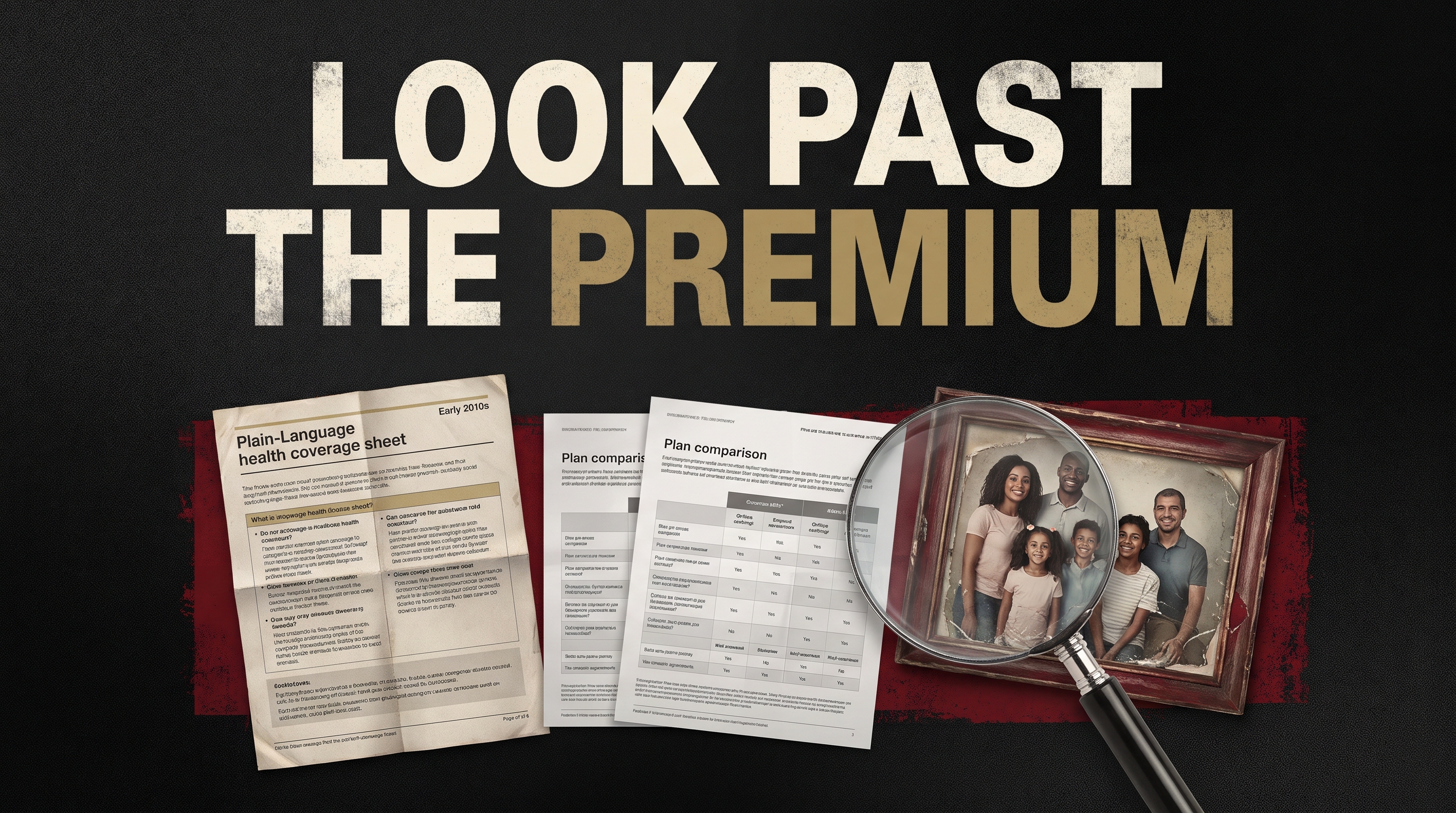
Your Daily Install connects what’s happening now with a useful pattern from the past—and one simple step you can take today to make your household more resilient.
Print the action worksheet below, fill it in, and add it to your Household Resilience Network binder.
What’s happening now?
Two plans. One has a lower monthly price. It is tempting to stop right there.
But 2027 health-plan details are arriving now. OPM’s current federal-plan comparison tool lists 2027 options and tells shoppers to check the official plan brochures before deciding. Many other workers are also choosing next year’s coverage this fall.
The monthly premium gets you into the plan. It does not tell you the whole cost of using it. Today, put two plans side by side.
Has this happened before?
Before 2012, trying to compare health plans could mean sorting through documents that explained similar benefits in very different ways.
New federal rules introduced the Summary of Benefits and Coverage, or SBC, starting in September 2012. Employer and individual health plans had to use a standard form with plain-language terms and coverage examples.
The idea was much like a food label: put key facts in familiar places so shoppers could compare them.
What happened next?
The form gave people a common starting point for comparing plans. It did not make every plan simple—or make a coverage example a promise about your own bill.
The pattern: compare the same lines before comparing the sales pitch. A lower premium can come with higher costs when you use care. Your doctors, medicines and likely needs still have to fit.
A day out should not need a bathroom map.
One more stop before leaving. Another scan for the restroom when you arrive. This bladder-support video opens with a seven-second idea. What is behind it?
Tap Here to Watch the Bladder-Support Story →What can I do?
Spend 15 minutes on two plans you can actually choose. For employer or Marketplace coverage, get each plan’s SBC for the right year. For Medicare, use the plan’s Summary of Benefits and Evidence of Coverage; those are different documents.
Write the monthly premium, deductible (what you pay before many benefits start) and out-of-pocket limit (the cap on covered in-network costs, not counting premiums). Use the same enrollment type, such as individual or family. Check one doctor and one medicine with the plan’s current directory and drug list.
Circle one unanswered cost or coverage question. Ask the plan or benefits office before enrolling. Do not choose from the premium alone or assume last year’s network carries over.
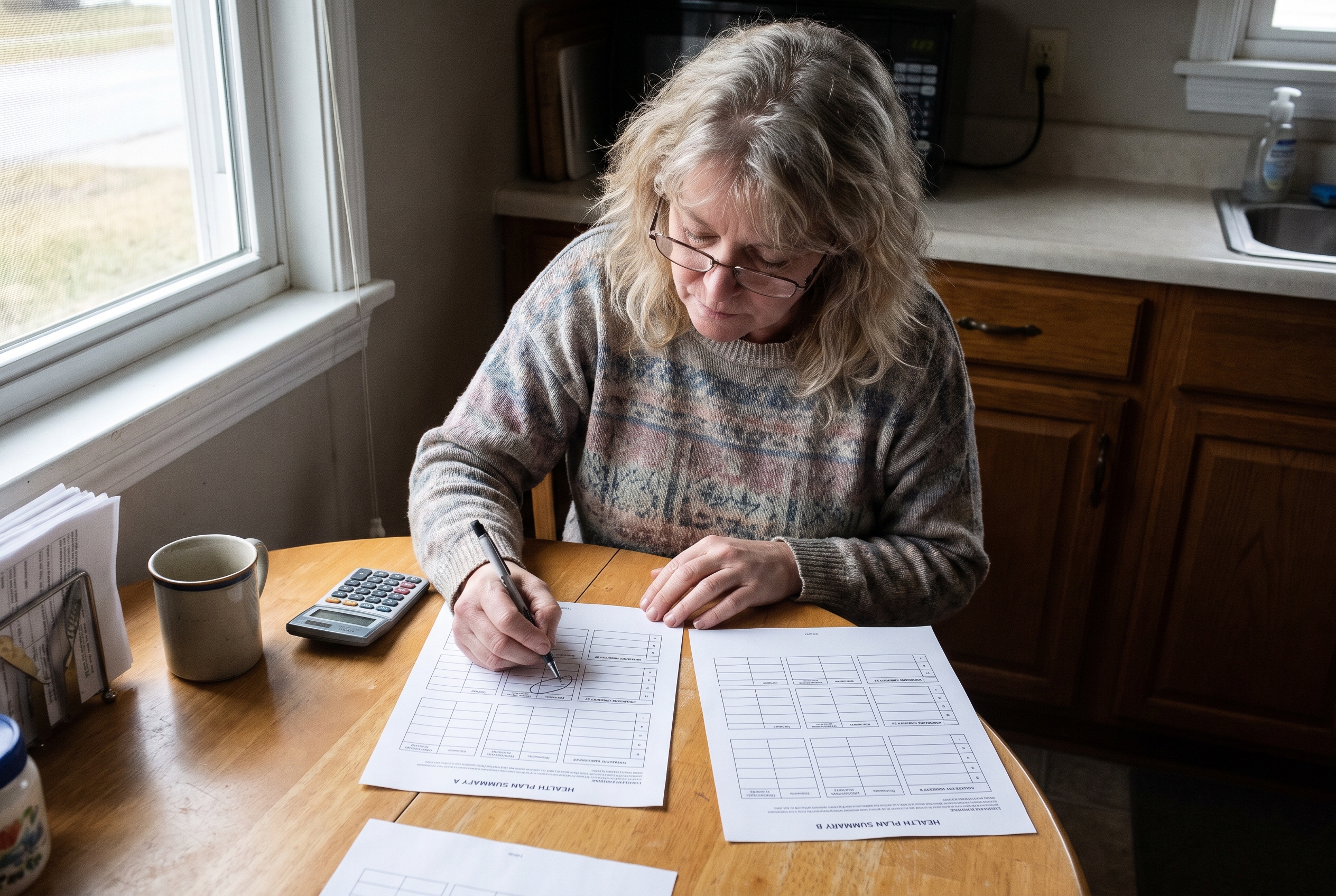
Illustrative household example. Use the worksheet for your own details.
My Two-Plan Comparison
Date: __________ File under: Health Coverage
Use the same year and enrollment type
Plan year / individual or family:
Plan A: premium / deductible / limit:
Plan B: premium / deductible / limit:
Check what I use
Doctor / medicine checked:
Question / who I will ask:
☐ Current documents. ☐ Deadline saved.
Today’s win: You have two comparable sets of costs and one question to settle before choosing.
What if the next fresh handful came from home?
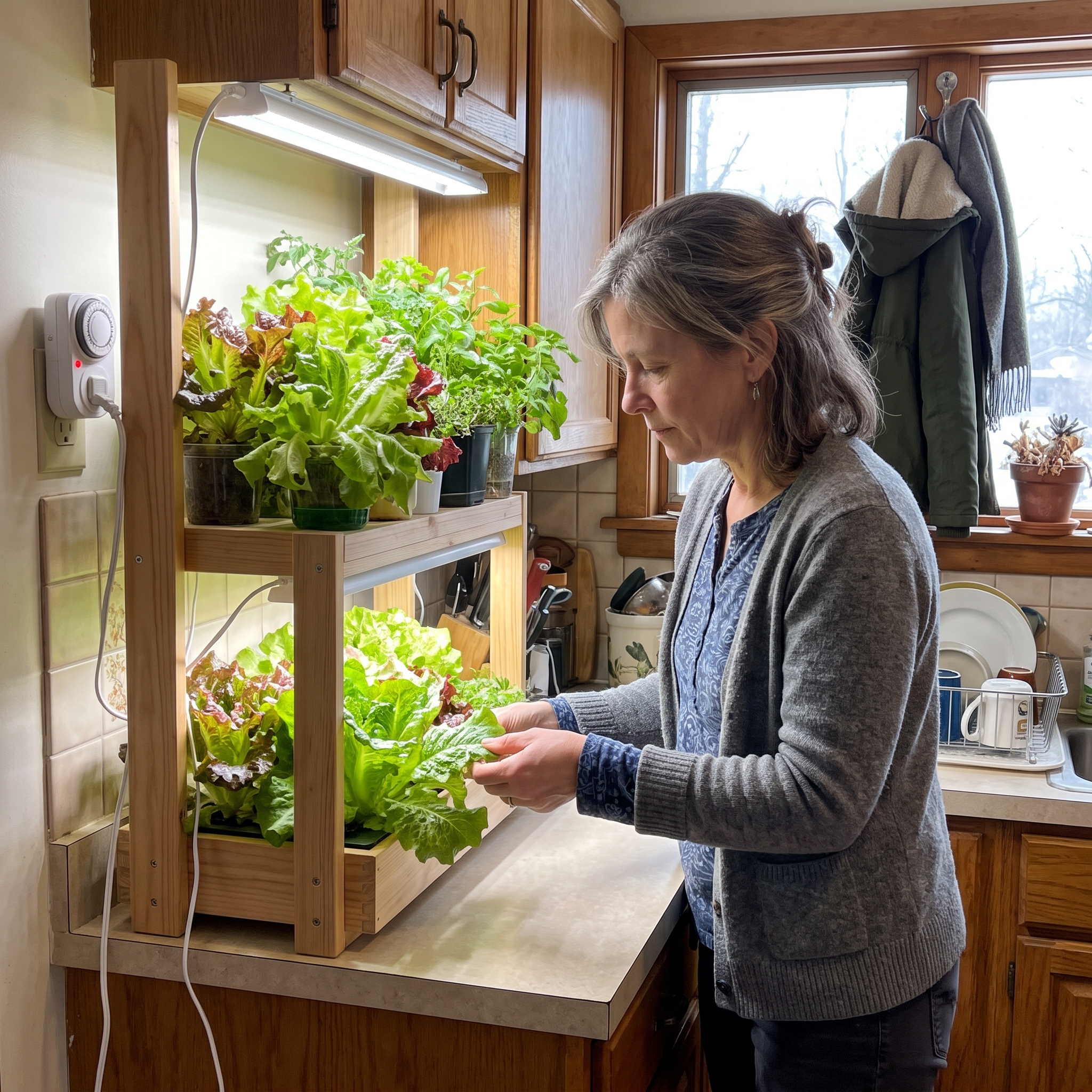
You do not want another expensive hobby. You want food you can pick and use.
The COMPLETE Blueprint shows how to start small, indoors or out. See the setup, choose a food you enjoy and follow the steps in pictures.
What could you grow in the space you already have? Take a look before another grocery run.
| Tap Here to See the COMPLETE Blueprint → |
Stay steady,
James Williamson
Freedom Health Alerts
P.S. Which plan term gives you the most trouble? Reply with the term, not personal medical details. Share this with someone comparing coverage.
P.P.S. The food bill keeps coming back. What if some of your fresh food did, too? Our friends at 4 Foot Farm show how to get more meals from suitable plants you can grow at home. Tap Here to See the Grocery-Run Method →