Opening Hook
Imagine this scenario. You or a loved one has been diagnosed with a debilitating disease. The doctor recommends a newly FDA-approved drug. It feels like a ray of hope in your darkest hours. But, deep inside, there’s a gnawing doubt. What if the drug is not as effective as it’s touted to be? What if it comes with a host of side effects that the pharmaceutical companies have conveniently brushed under the carpet?
The Problem Revealed
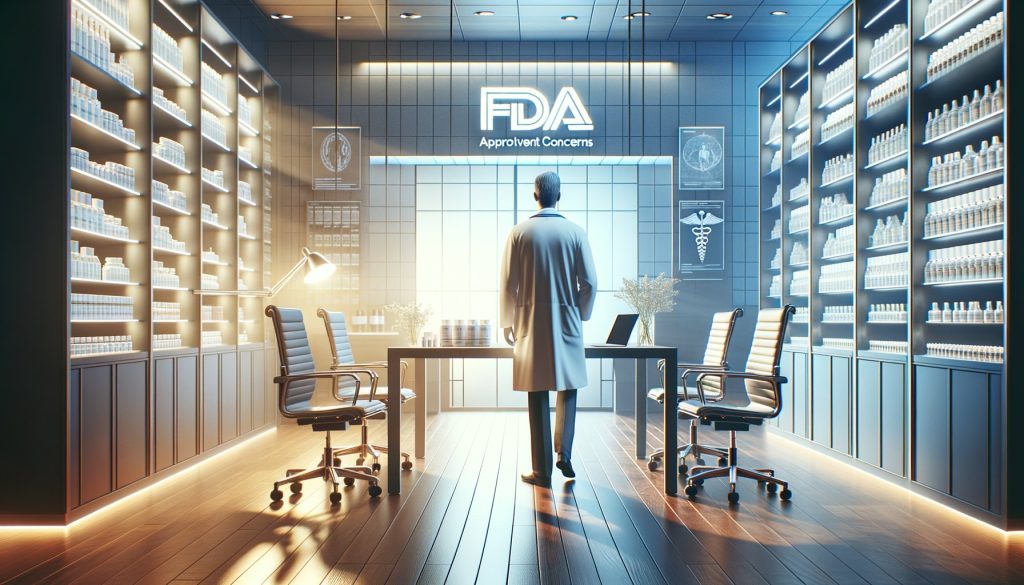
Let’s take a look at the facts. The FDA, or the U.S. Food and Drug Administration, is tasked with safeguarding public health by ensuring the efficacy and safety of human and veterinary drugs. However, in recent years, there’s been a rising concern about their approval process.
A study published in the Journal of the American Medical Association (JAMA) uncovered that nearly one-third of the drugs that received the FDA’s approval between 2001 and 2010 were involved in safety-related issues. Another report by the British Medical Journal (BMJ) argued that the FDA’s expedited drug approval process may be compromising the safety of patients. It’s clear that there’s a significant gap between what’s promised and what’s delivered.
What Mainstream Medicine Won’t Tell You
Chances are, your doctor might not have informed you about these studies. And, it’s not entirely their fault. Pharmaceutical companies often gloss over potential risks and side effects in their marketing campaigns and educational resources.
Furthermore, the FDA approval process is inherently flawed. The agency often relies on studies sponsored by the pharmaceutical companies themselves, which creates a conflict of interest. Independent research is often ignored if it contradicts the claims made by these companies. The system is set up in a way that prioritizes profit over patient safety.
The Real Dangers
We are not suggesting that all FDA-approved drugs are dangerous. But, staying informed about the potential risks is crucial. Some of these drugs may cause severe side effects that could significantly impact your quality of life. In some cases, they might even lead to life-threatening conditions.
It’s vital to remember that your health is at stake here. It’s essential to be proactive in safeguarding it.
Your Action Plan
Here’s what you can do:
1. Stay Informed: Read up on your condition and the recommended treatment. Knowledge is power.
2. Keep Records: Maintain an updated medical file. Include any side effects or changes you notice after starting a new medication.
3. Consider Alternatives: Look into alternative treatments. Discuss them with your healthcare provider.
4. Ask Questions: Don’t hesitate to ask your doctor about the risks associated with a drug. If you don’t get satisfactory answers, consider seeking a second opinion.
5. Reach Out: Connect with support groups or communities of people dealing with the same condition. They can provide firsthand insights.
6. Plan Long-Term: Work with your healthcare provider to create a long-term health strategy that’s not solely reliant on medications.
7. Be Prepared: Know what steps to take in case of an emergency.
Conclusion
In conclusion, it’s essential to stay informed and proactive. While the FDA and mainstream medicine have their roles, it’s ultimately your health on the line. By staying informed, asking questions, and considering alternative treatments, you can ensure that you’re making the best possible decisions for your health.
Remember, you have the power to take control of your health. Don’t let anyone take that away from you.

Leave a Reply